Hardcore-core: Turnstile and Accessible Punk
Sounds | Megan Ding
Note: This article contains GIFs with flashing lights, which may affect photosensitive readers. Reader discretion is advised.
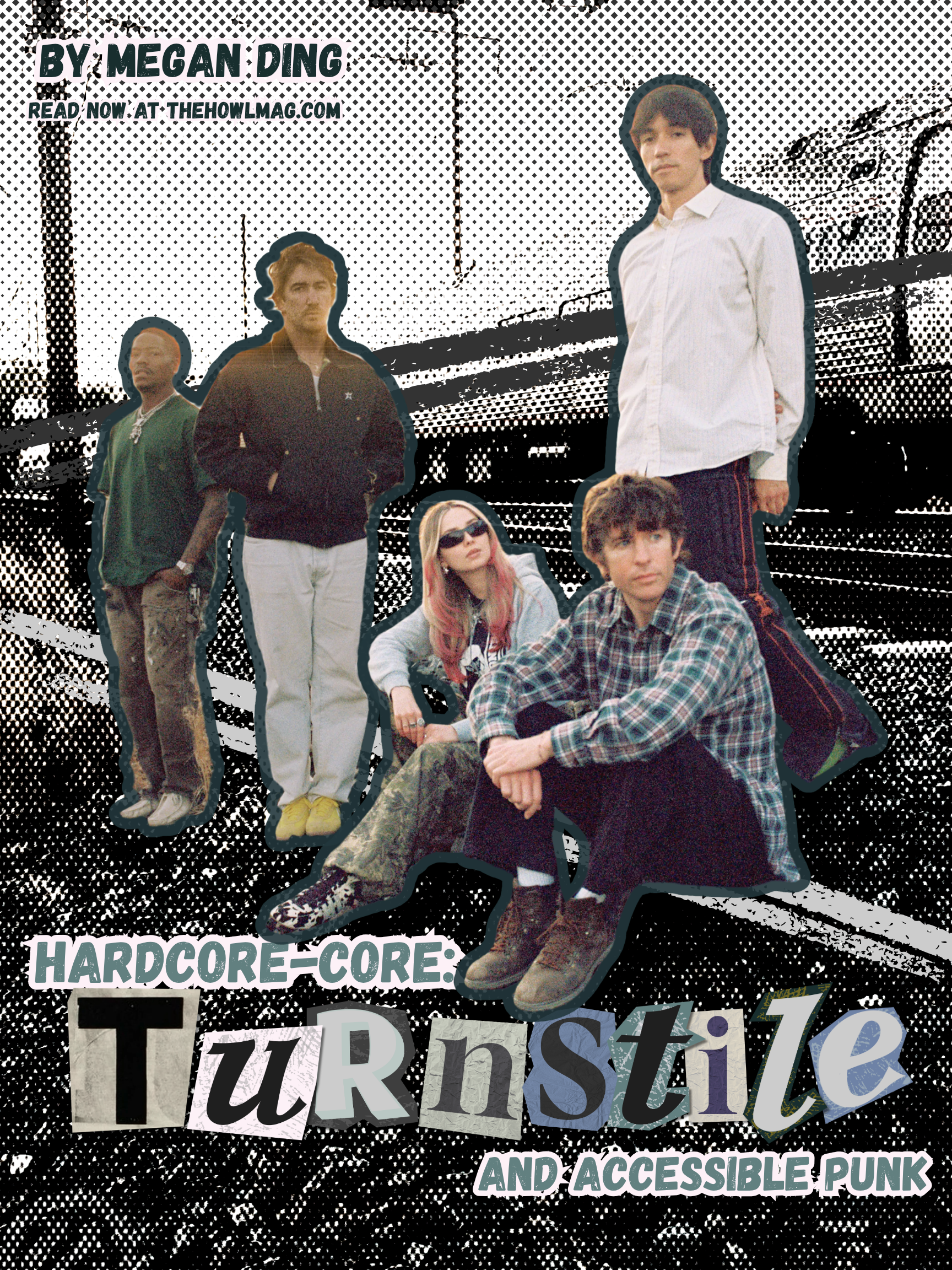
Graphic by Nicole Rivera-Orellana
Across the annals of Reddit and Instagram comments, the consensus is that the punk rock band Turnstile hasn’t been hardcore since the Taliban most recently captured Kabul (August 2021, when they released their pen-recent album). However, as a hardcore punk rock newb, all I know is that I hardly care about genre labels and just if their music speaks to the angsty and scared white boy who moshes around at the core of my personality. I understand why diehard hardcore fans are having a hard time putting the melodic and catchy passages of “ENDLESS” and “SEEIN’ STARS” from their two most recent albums in the same bin as the characteristic abrasive, beat-poetry-like lyric delivery in “New Rules” from their earliest album—or anything from genre-favourites Youth of Today. To be honest, I could see the Jonas Brothers releasing “SEEIN’ STARS” (no shade, I love the song in the context of the whole album). But as an armchair lover of culture, I also see how Turnstile fits into the greater story of hardcore punk. I would call Turnstile “Hardcore-core.” Like fairy-core is to fairies, Turnstile’s hardcore-core is respectfully performing hardcore-ness in a way that is digestible for the masses while not actually being hardcore.
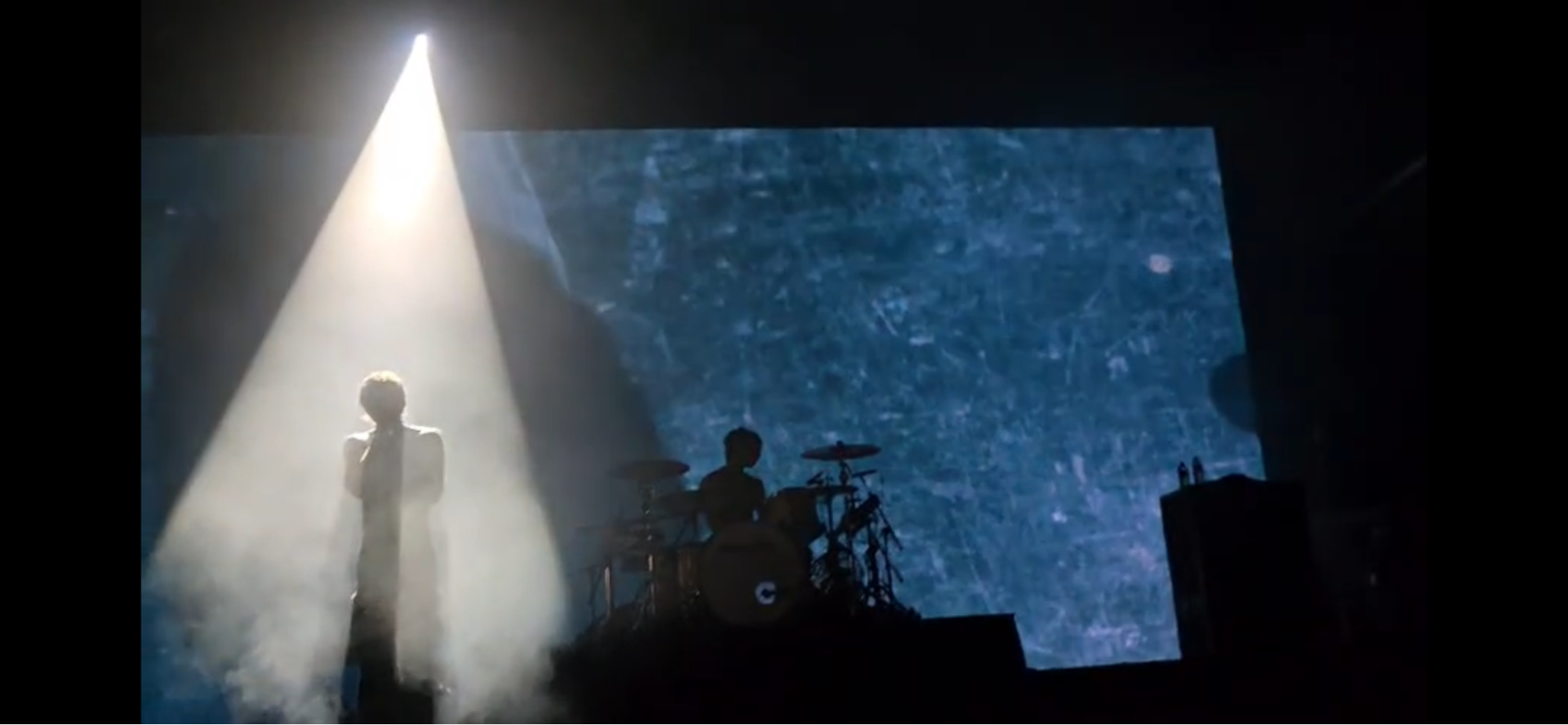
First, the sociocultural aspects of Turnstile that are antithetical to hardcore can be boiled down to their commercial appeal. Look at me, a “sad girl” indie pop aficionado who paid $150 to see them perform at Woodbine Park and another $65 for a thin cotton t-shirt with the band’s name in Sans-serif across the front. Look at them double-fisting Grammy Awards and partnering with Converse to make a custom pair of sneakers featured in their visual album. This is all high-budget, capitalism-obeying behaviour; not at all hardcore.
At the same time, I can’t deny that Turnstile is extending the reach of the “Youth Crew” hardcore subculture, which bands like Youth of Today, Minor Threat, and Gorilla Biscuits made most popular during the transition from the 80s to the 90s. Youth Crew is characterized by a straight-edge (no drugs), politically forward, and moralistic presentation of punk. Considering the return to conservatism that came with the Reagan era, Youth Crew rebels in an appropriate manner. Furthermore, the USA-adjacent parts of the world are experiencing a pretty similar right-wing spiral under Trump as we did under Reagan. But at least Reagan showed some appreciation for diversity by signing the Simpson-Mazzoli Act in 1986, granting amnesty to millions of undocumented immigrants. Between the dissolution of NAFTA, Trump’s individualistic governance style, and trends of antisocial behaviour in younger generations (think manosphere, bed-rotting, pessimism for the future), our world feels more fractured than ever. Consequently, I don’t think we need another niche, fully anti-commercial hardcore band. I think we need a social media-savvy, hardcore-core band like Turnstile to help maintain true hardcore culture.
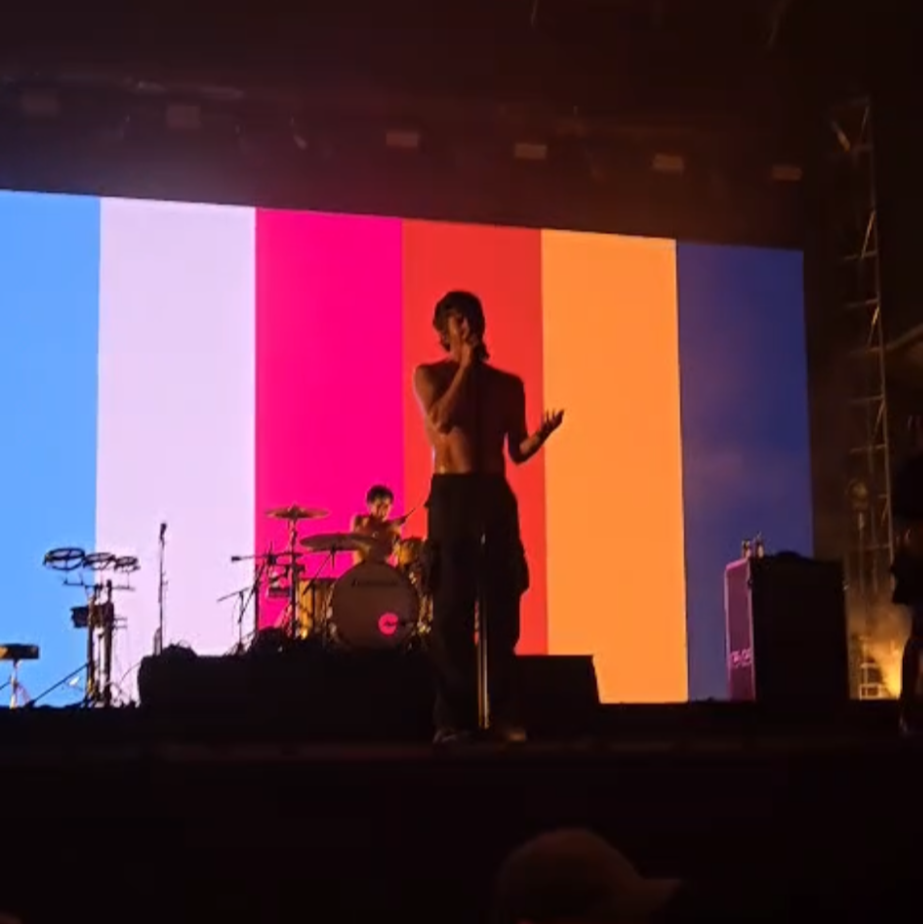
Turnstile may be hooking us in with accessible punk grooves, but they are ultimately good role models for young people discovering hardcore. Turnstile can get political, voicing pro-Palestinian sentiments at their 2026 Coachella and 2025 Glastonbury sets. They are showing young people that music, performance, and popularity are fuel for political involvement, rather than hindrances. Additionally, during their recent show at Woodbine Park, the frontman integrated quick check-ins for the crowd, as the fully general admission audience predictably gets pushy and the constant crowd surfing can be dangerous (I left the show with a shoe print on my cheek). I could really tell that he was constantly aware of his power and responsibility to keep the crowd from becoming too monstrous. Turnstile is also getting local bands to open their shows, helping the unindoctrinated find smaller hardcore musicians they can support more regularly. This also speaks to the strength of community and respect that Turnstile still has in the overall rock scene. We were blessed with Pluto’s Kiss, Saya Gray (my queeeeen), and No Warning (of whom I am a new found fan). As well, like many a hardcore band, Turnstile contributes to some scene drama. Their former guitarist, who grew up with the frontman, allegedly drove over the latter’s father earlier this year, and is facing attempted first degree murder charges after being dropped from the band in 2022 for destructive behaviour (that many speculate is related to a substance use disorder). While the tea is hot, Turnstile’s approach to commenting on the news was very respectful and, again, provides a standup, hardcore-core example for how to set boundaries.
Most importantly, Turnstile constantly shows appreciation for their fans. For every performance on this tour, they showed footage and small interviews their team did with audience members from past shows in the same city. It was really cool to see History in the background while a couple of dudes shared how Turnstile helped them make friends, as well as hear a Brampton accent while a lady explained how Turnstile helped her cope with loss. It was also engaging that for 90% of the show, live footage from the audience was broadcast on stage behind the band (or maybe it helped us ignore the frontman’s back acne). Furthermore, a decent amount of screen time was given to the children in the crowd. While one could see that as a bit creepy, I think it really contributed to the fun the kids were having at the show. It broadcasted to us that this is a safe, maybe not truly hardcore, hardcore-core space. After each show, Turnstile even posted a short film with more footage from each performance, continuing to make fans feel seen. They also shared audio from a rotary phone that they had at each concert, where attendees could leave messages for the band, continuing to make the fandom feel heard. Their Instagram—while highly curated—is not filled with soulless brand deal photoshoots, but with real people who are battling depression by blasting “NEVER ENOUGH” and spreading the love they feel in the community. In a truly hardcore-core way, Turnstile is using their popularity to spread real, hardcore messages.
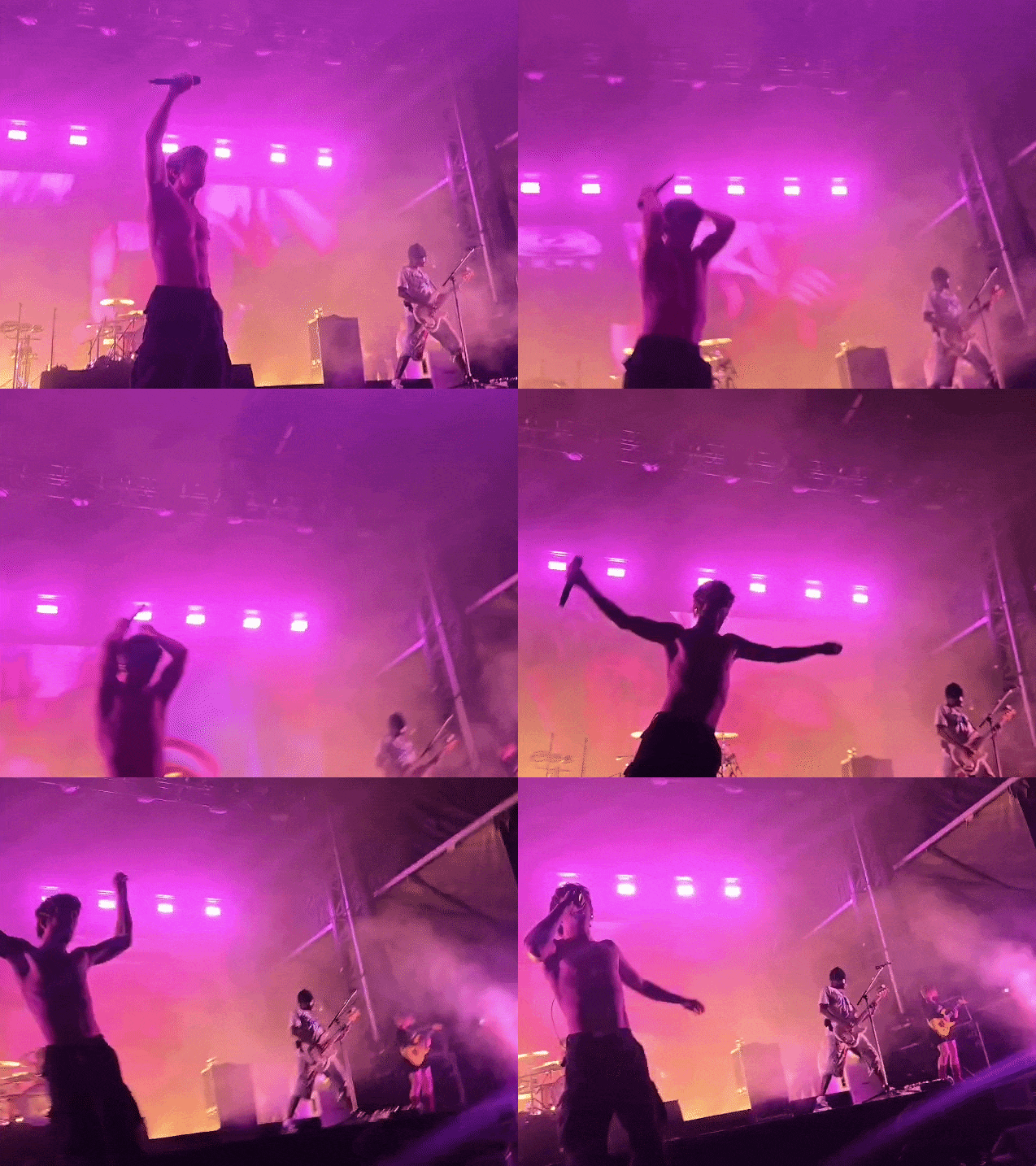
Figure 1: Little hops (part one)
However, the skeptical part of me sees the band’s polished presentation, relatively minimalistic aesthetic (for punk bands), and financial success as big hurdles for credible genuinity. Heck, with the addition of a female guitarist in 2023, the demographic and the overall hotness of the ensemble make them look like the core cast of a modern young adult TV show. Think Adults, NSFW, or even New Girl, which all feature three white people, one black guy, and a broadly Asian person—for an exact match, the band would need another girl, but the punk scene is so male-dominated that I’m happy we get anything. (besides, their drummer is dating Faye Webster, so he’s an honourary lesbian anyway). They really do look like/may be gentrified punk. However, this seems like a concession that we have to make to deploy the net positives of the band’s pathos. The idea of Turnstile as a role model-type influence really solidified for me when I saw at least five kids under the age of twelve at the show doing everything from just chilling on their parents’ shoulders above the chaos to surfing the crowd multiple times. I mean the refrain for their show-closing song, “T.L.C. (TURNSTILE LOVE CONNECTION),” is “I want to thank you for letting me see myself / I want to thank you for letting me be myself.” Those are lyrics I would totally sing with a class of kindergarteners and the balding guy standing next to me in the pit alike. Speaking of age, all of the band members are approaching their late thirties, and I think it’s only healthy for them to want to set a good example for the troubled youth, who are disproportionately attracted to the idea of hardcore (and seek some financial stability for themselves too) by being hardcore-core.
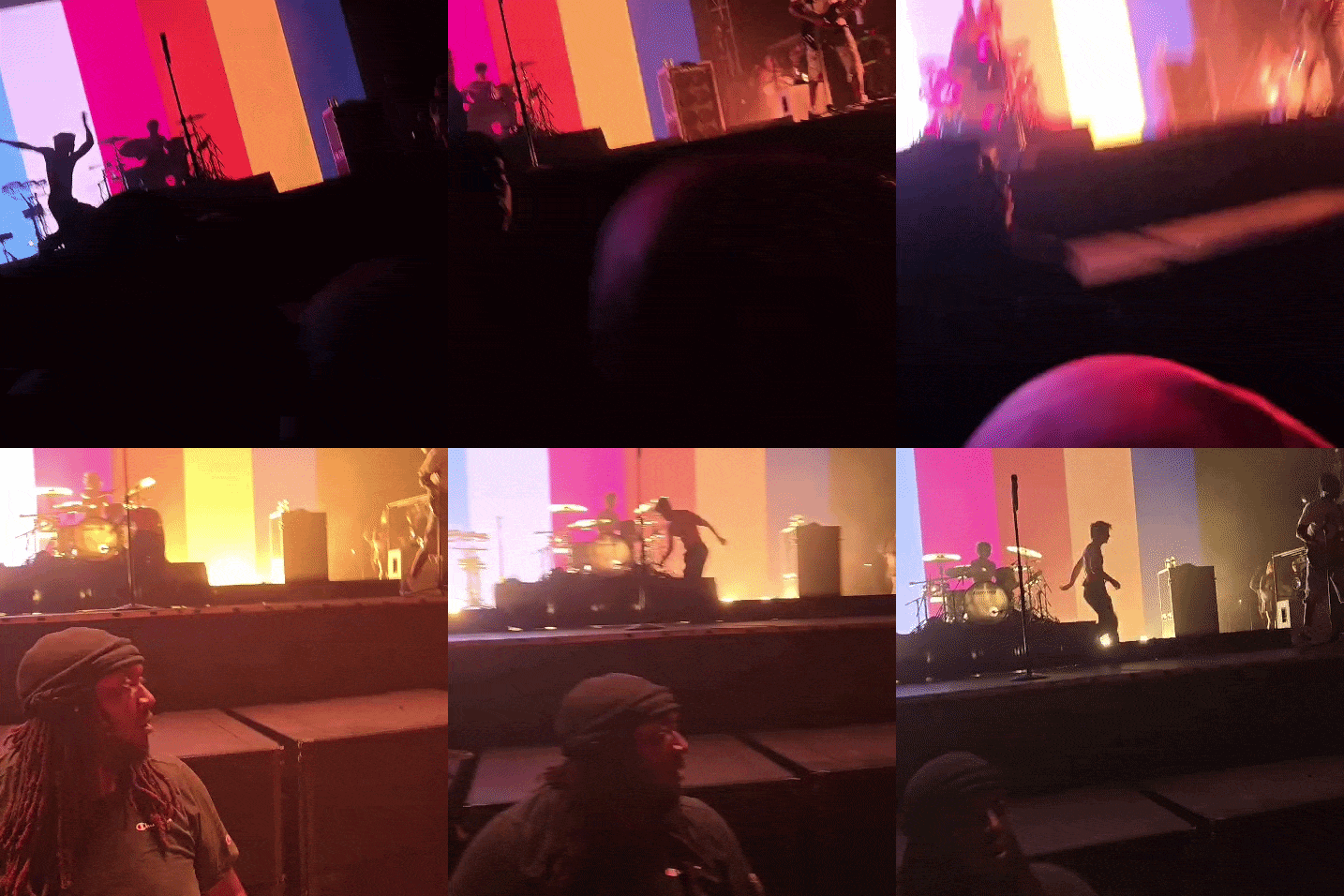
Figure 2: Little hops (part two)
Personally, this was my first experience in a punk rock pit, and Turnstile made it a great intro. It was great to see the raw expressive movement of moshing in contrast to most people our age, especially at UofT, presenting as nonchalantly as possible. You can’t karate kick and two-step around in the middle of a mosh pit if you’re chronically self-conscious. You can’t crowd surf if you don’t trust strangers to have your back (you also can’t crowd surf without being princess carried down by security once you reach the edge of the barricade). Look at the frontman of Turnstile do his little hops! Personally, my introverted ass managed to make a new friend in the pit. The physical proximity brought us closer together, and I was able to trust that she would support me when I was off balance. The whole environment that Turnstile created for us was both unifying and freeing.
To end my unasked-for opinion on the hardcore scene: Turnstile may not sound completely hardcore, but they behave in a hardcore way and create a pro-hardcore culture. You can call them greedy for charging us $150 for tickets, but you could have also sat on the hill five meters away from the barrier fence of the venue and had a clear view. You can hate their commercial acclaim, but you can’t deny that they only add to the ears listening to the underground hardcore scene. My merch shirt may have a simplistic frontside, but the backside has photos of audience members from past Turnstile gigs, highlighting the importance of us—the fans—in creating the substance of what keeps the band real. We need accessible, progressive environments for youth, and Turnstile really seems to care.
Thanks for reading!